
6
hoods tested across several buildings
1 week
on site, from lunch-and-learn to final test
2
full Tri-Color kits bought for in-house testing
The ask
A clear picture before spending
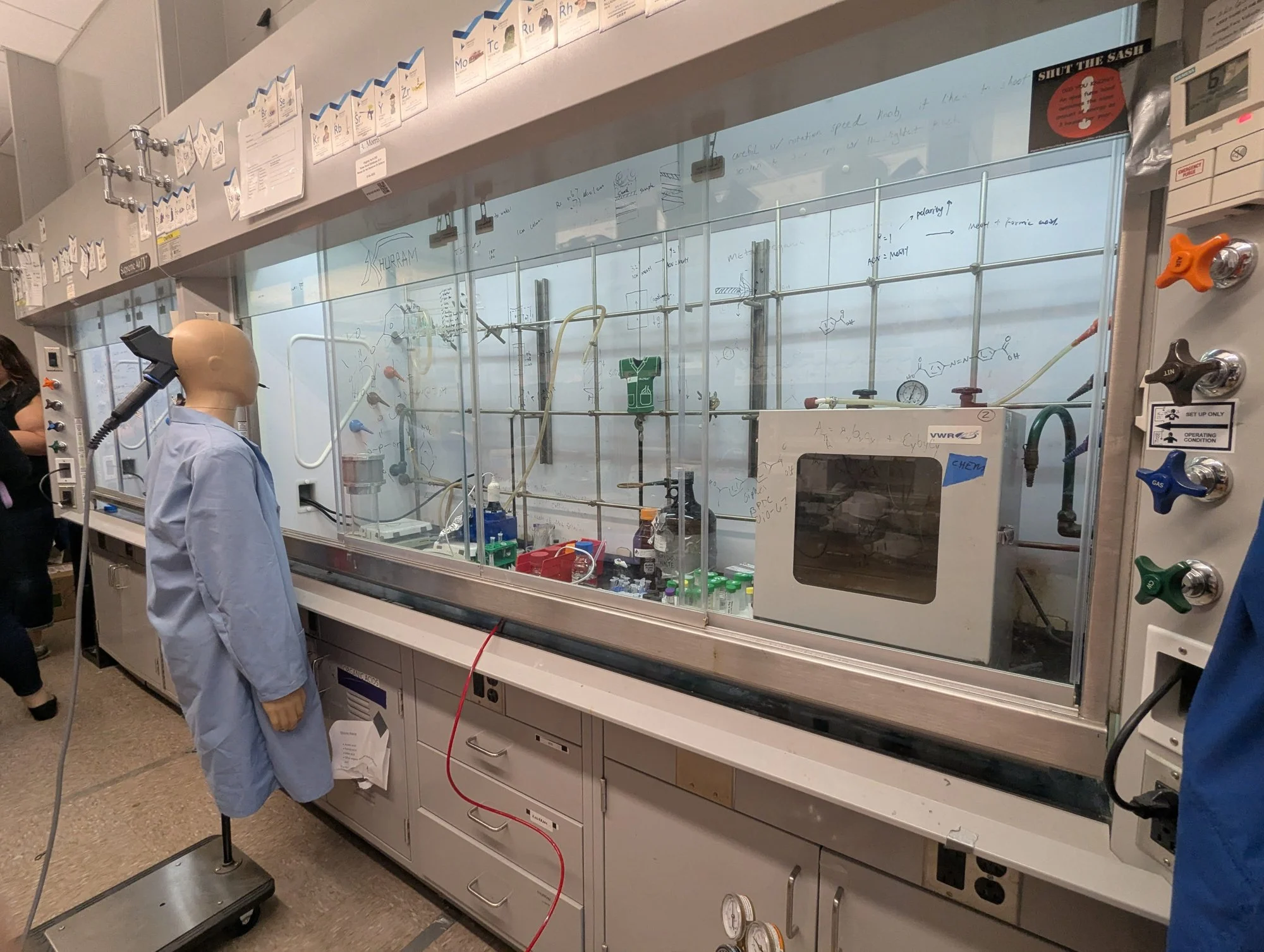
Virginia Tech's EHS team wanted to know how their hoods performed in everyday use and where to focus time and budget. Rather than test every hood on campus, they brought FHC in for a focused spot check.
What we did
ASHRAE 110, then Tri-Color
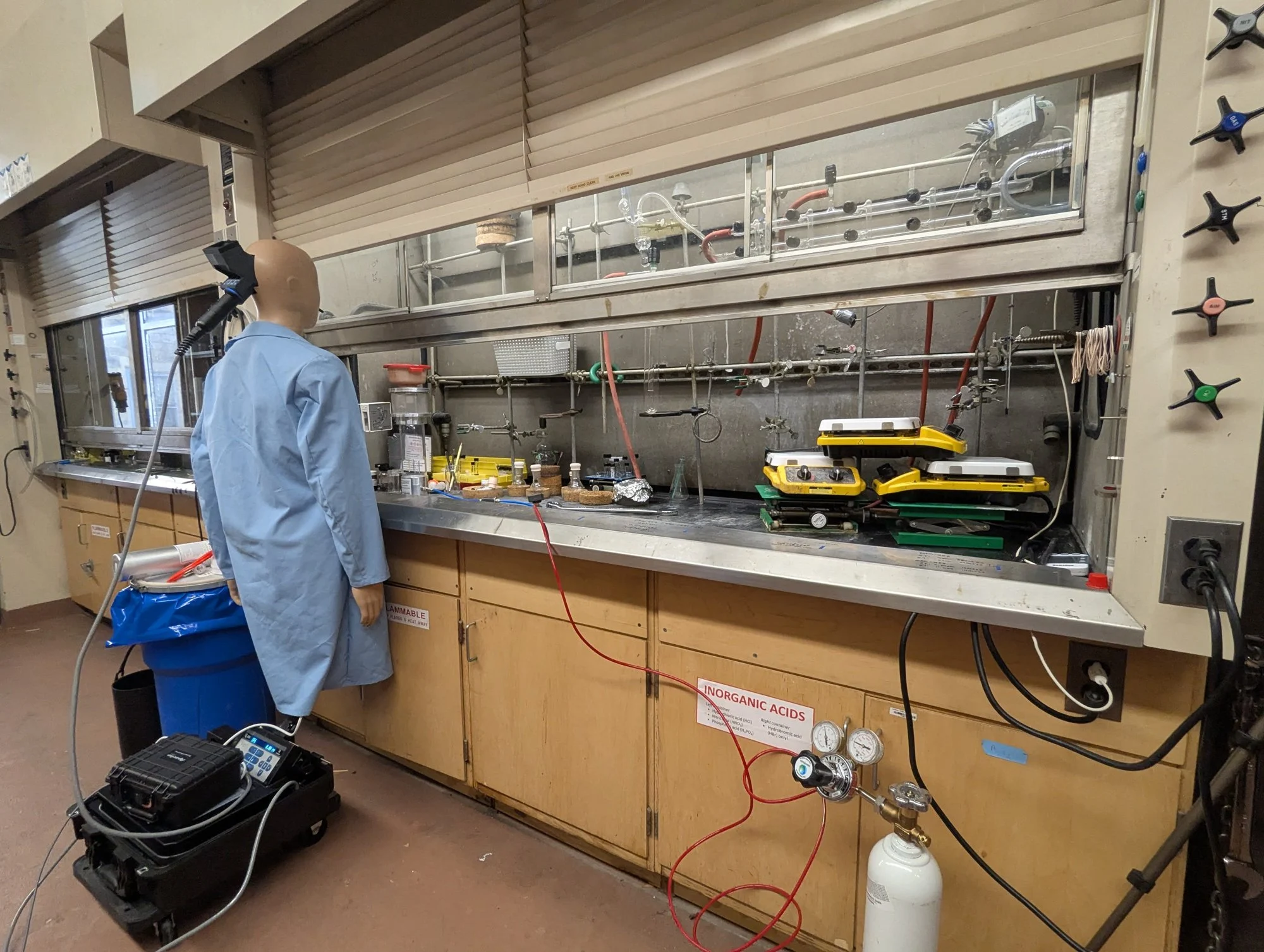
The week opened with a lunch-and-learn for VT staff. Each hood got face velocity, smoke visualization and Tri-Color dynamic testing with the sash moving, doors opening and people walking by, plus SF₆ tracer gas where a closer look was needed. Every hood got its own report, and the campus got a prioritized summary.
The result
A plan, then a program
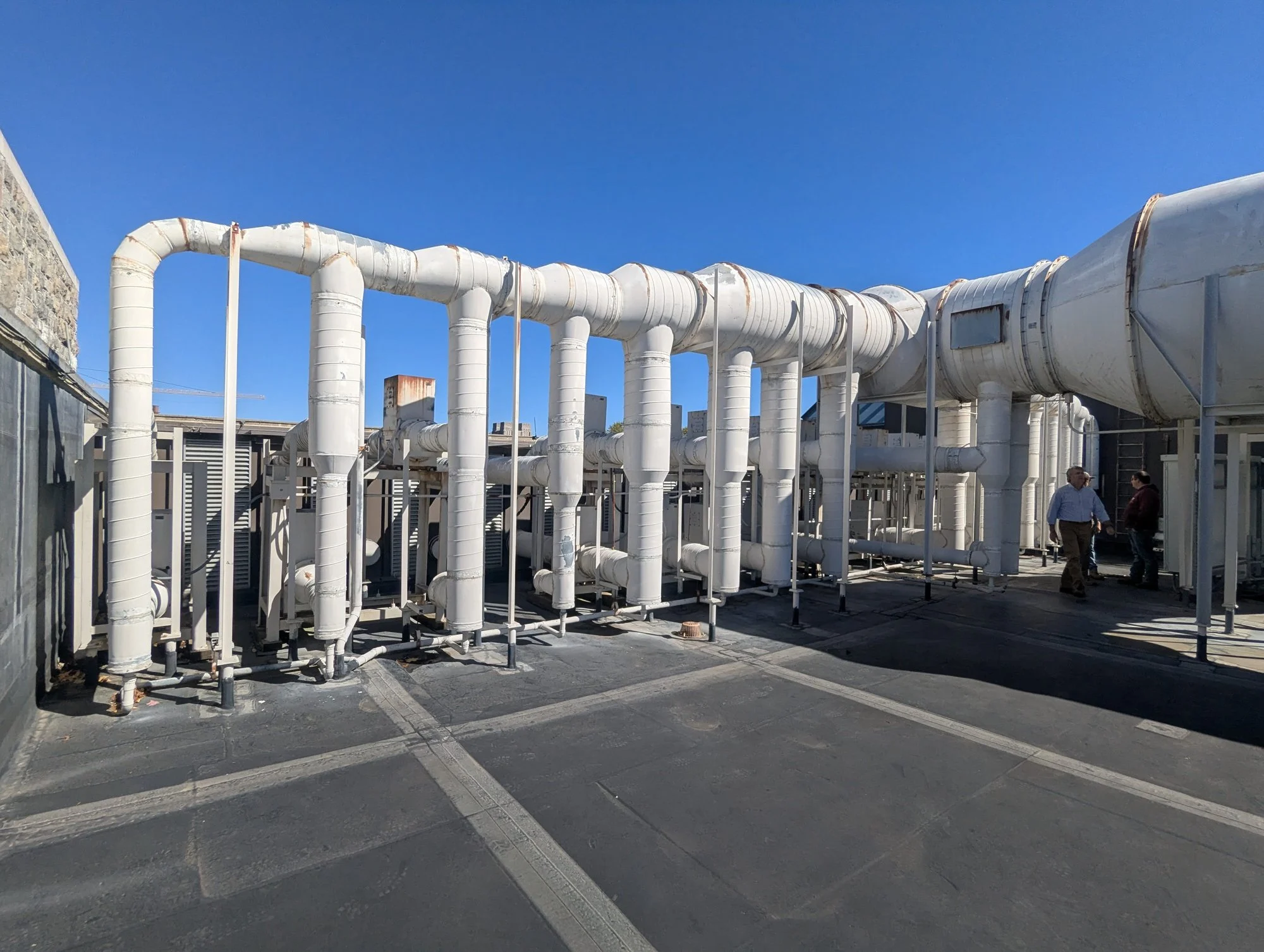
The hoods were mostly in good shape; the findings that mattered were in the building systems around them. EHS took the reports to Facilities, the top-priority fix was completed, and a building-wide improvement got underway. Then VT bought two full Tri-Color kits to test and train on their own schedule.
Why it took both methods
See it, then measure it
Tri-Color showed where and when containment changed under real, changing conditions. Tracer gas put numbers on it and traced each issue to its source.
Shared with peers
At the 2026 CSHEMA Ventilation Symposium, Virginia Tech’s industrial hygienist co-presented with FHC founder Chip Albright on how the team uses Tri-Color, and how the testing opened new ways to find, diagnose and fix hood issues in-house.